Skip to Content

Mold Remediation and Removal in Fillmore, CA

Visible mold, musty odors or damage after a leak can leave you wondering how much of the property is affected. JW Home Care provides mold remediation in Fillmore, with work that can include containment, removal of affected materials, cleaning and drying.

Mold Remediation After a Hidden Leak in Moorpark

Read Our Reviews

Need help with property damage in Fillmore? Call (805) 443-3232. JW Home Care is available 24/7. Tell us what happened and which areas are affected so we can plan the next step.

Understanding the Mold and Moisture Problem

Assessment considers the visible growth, nearby materials and the conditions that allowed moisture to remain. The size of a visible spot does not by itself establish the full work scope. A plumbing or building repair may also be needed to address the moisture source.

Examples of Our Mold Remediation Work

What Mold Remediation Can Include

Containing the Work Area

Containment separates the affected area during removal and cleaning. The setup depends on the property and the work. This helps control dust and debris while affected materials are removed and cleaned.

Removing and Cleaning Affected Materials

Materials are assessed for removal or cleaning. Controlled removal provides access where damaged finishes conceal affected areas. Surface cleaning and treatment methods are selected for the material and conditions; applying a product alone does not replace the rest of the process.

Drying and Addressing Moisture

Remaining moisture needs attention before new finishes hide the affected area. The plan should identify drying needs and responsibility for correcting the leak or other source. The EPA's guidance also emphasizes fixing the moisture problem as part of mold cleanup.

Assessment, Remediation and Testing

Assessment helps define the affected area. Remediation addresses the affected materials and cleanup. Third-party testing may be appropriate for some projects. Tell the team if you need testing or clearance so that its role and responsibility can be discussed before the work is scheduled.

Mold Remediation After a Hidden Leak in Moorpark

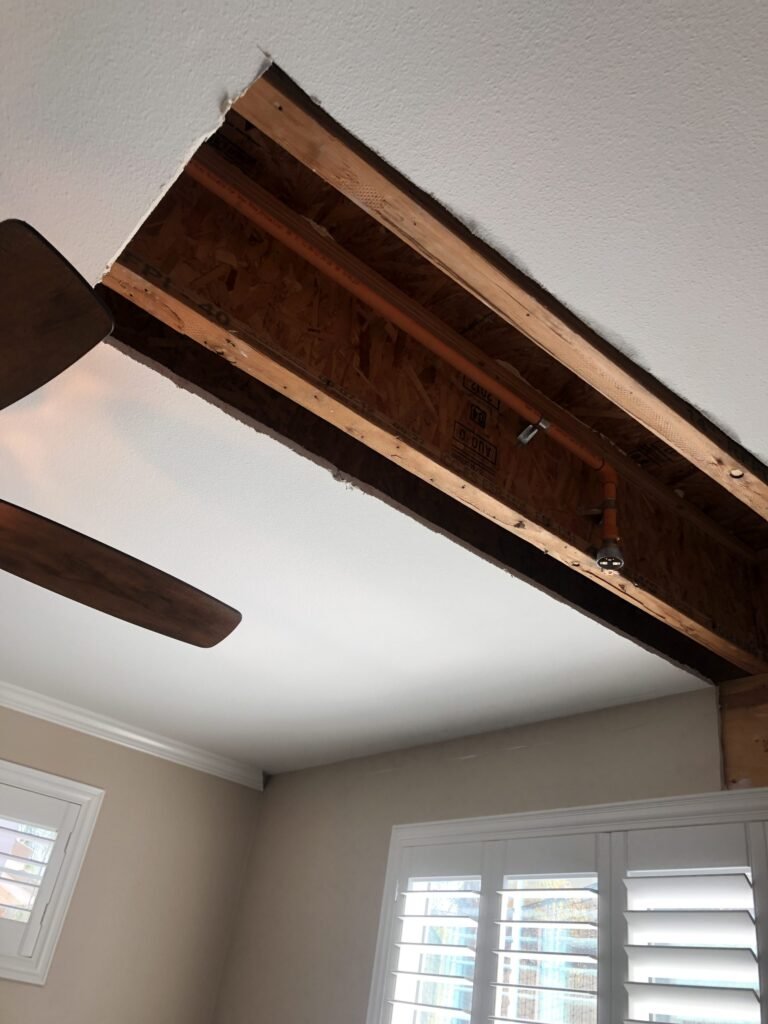
A slow roof leak in a Moorpark home affected living-room walls, wall cavities and attic insulation. Musty odors and visible growth led to an inspection beyond the surface spots.

The team established containment and HEPA filtration, removed affected finishes and insulation where needed, and treated suitable exposed materials. Drying, moisture monitoring and post-work assessment supported preparation for repairs.

View the Mold Remediation After a Hidden Leak in Moorpark Project.
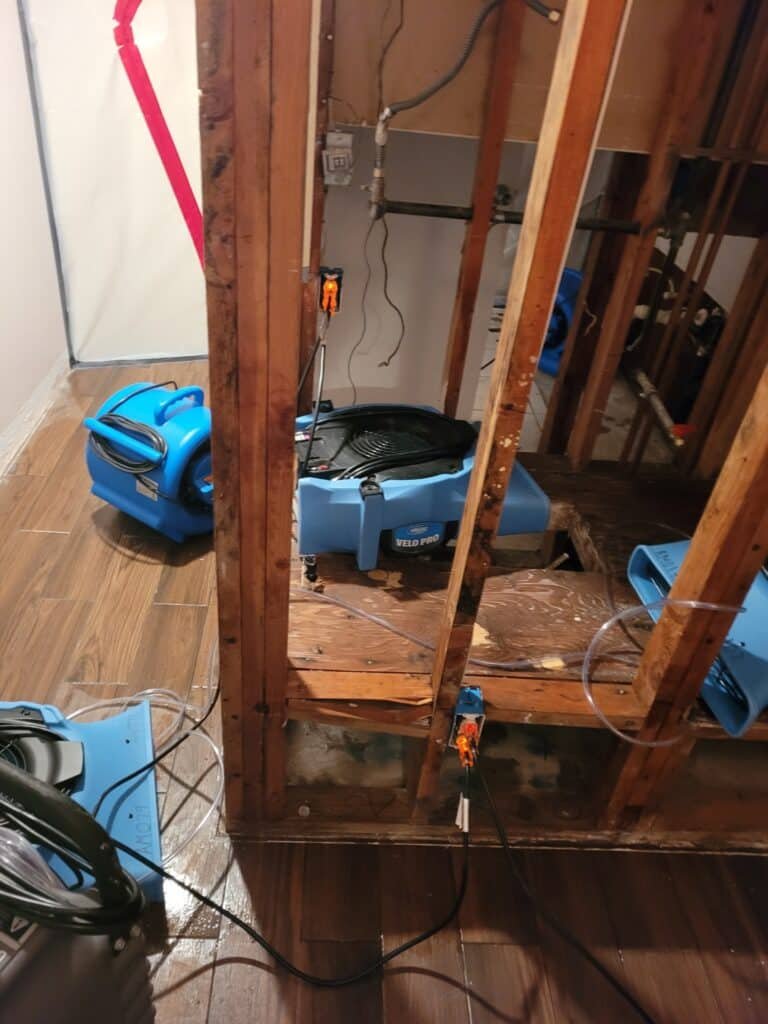
Shared Bathroom Wall Mold Remediation in Moorpark

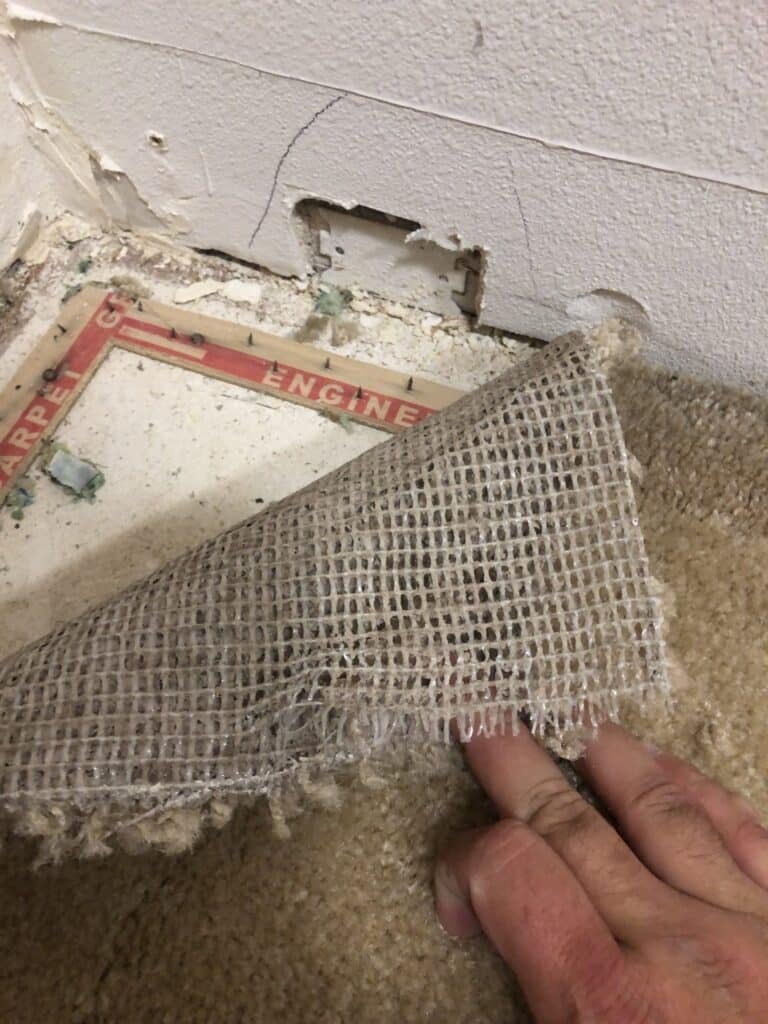
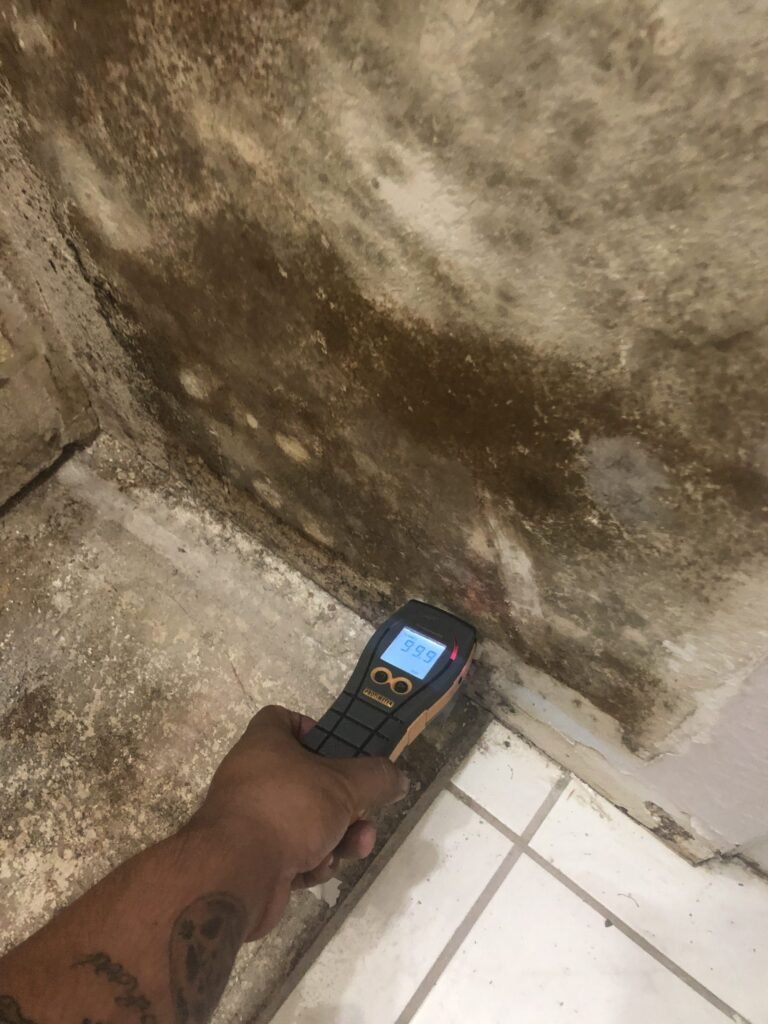
Mold affected a wall shared by a bathroom and garage in Moorpark. Inspection found damage on both sides, behind a vapor barrier and beneath tile flooring.

Containment and HEPA filtration separated the work. Removal of affected drywall, baseboards and tile underlayment opened the concealed areas for cleaning and drying, followed by material readings and post-remediation sampling.

View the Shared Bathroom Wall Mold Remediation in Moorpark Project.

Looking Beyond the Visible Mold

The inspection considers leaks, damp building materials and the route moisture may have taken. Cabinet backs, wall cavities, ceiling assemblies and areas beside appliances can conceal damage that is larger than the visible patch. We look at the affected materials and access needed for cleanup; appearance or color alone does not identify a mold species or establish a health diagnosis.

Materials require different decisions. Mold-affected porous finishes may need removal, while suitable remaining surfaces may be cleaned using methods selected for their condition. Containment and controlled handling help limit the spread of dust and debris during that work. A treatment product or coat of paint does not replace material assessment, cleaning and correction of the moisture problem.

Planning Access, Occupancy and Follow-Up

Before work begins, identify which rooms need to be separated, how the crew will enter and move materials, and whether occupants can use the rest of the property. Whether you can remain at home depends on the affected area, the work plan and individual circumstances. Personal health concerns belong with a healthcare professional; we explain the restoration setup and access restrictions.

If independent testing or a post-remediation assessment is required, establish who will arrange it and what the agreed completion criteria are. Testing and remediation serve different purposes, and a sample result does not replace checking that the cleanup scope and moisture corrections have been addressed.

Reducing the Chance of a Recurring Moisture Problem

Resolve plumbing, roof, appliance or ventilation problems that contributed to the damage. Watch for renewed staining, condensation or musty odors after repairs, and report them early. Keep the remediation scope and source-repair documentation together so there is a clear record of which problem each contractor addressed. Our mold prevention guide explains practical ways to manage moisture.

Recent Fillmore Restoration Projects

View Fillmore Projects

Questions About Mold Remediation and Removal

Does Mold Remediation Always Mean Removing Drywall?

No single removal scope fits every property. The condition of the material, access and extent of the affected area guide the decision. Ask the team to explain what needs removal and what can be cleaned.

Can Mold Return After Cleanup?

An unresolved moisture problem can allow mold to grow again. Our cleanup plan addresses affected materials and the moisture conditions that allowed growth.

How Long Does Mold Remediation Take?

Containment, access, material removal, cleaning, drying and any testing requirements affect the schedule. An assessment allows the team to discuss the expected sequence for your property.

What Affects the Cost?

The affected area, materials, access, containment and drying needs all influence the scope. An estimate based on the findings is more useful than a fixed price assumed from the room name or visible spot.

For general cleanup information, see the EPA’s Mold Cleanup Guidance.

Can a Roof Leak Cause Mold Behind an Interior Wall?

Yes. Moisture can remain in wall cavities or insulation before the source is obvious from indoors. See our nearby Moorpark hidden-leak mold project for an inspection that connected wall damage to a roof leak.

Why Inspect Both Sides of a Bathroom Wall?

A shared wall can conceal affected materials toward the bathroom and the adjoining room. Our nearby Moorpark bathroom and garage mold project required access beyond the first visible growth.

Serving Fillmore Properties

We serve homes and businesses across Fillmore, including Downtown Fillmore and neighborhoods around Central Avenue. Tell the team about access, affected rooms and the person coordinating the work so the next step can be planned around your property.

Mold Remediation for Piru

JW Home Care also provides mold remediation for properties in Piru, alongside our work in Fillmore.

Mold concerns can involve a visible patch, a musty odor, or concealed growth after a leak. We assess the affected materials and moisture conditions, explain containment and removal where needed, and discuss the moisture issue that must be addressed. Project examples below retain their actual locations.

Discuss Your Property With JW Home Care

Call (805) 443-3232 for restoration help in Fillmore. For a non-emergency inquiry, contact our team with the property location and a description of the damage.

Call 24/7 · (805) 443-3232